
Drainage Correction
We reshape low areas and improper slopes to help redirect rainwater away from structures, septic systems, driveways, and other vulnerable parts of the property.
Land grading is much more than simply moving dirt. It is a carefully planned process that reshapes a property so water flows in the right direction, structures sit on more stable ground, and future improvements can be installed on a properly prepared site.
Howard Septic Tank Services Inc. provides grading services for residential, commercial, and agricultural properties throughout North Central Florida. We consider existing elevations, soil conditions, drainage patterns, septic components, and the intended use of the property before grading begins.
Correct grading can solve existing drainage problems while also creating a stronger foundation for septic work, driveways, landscaping, construction, and long-term property use.
We reshape low areas and improper slopes to help redirect rainwater away from structures, septic systems, driveways, and other vulnerable parts of the property.
Professional grading creates more stable, usable surfaces for homes, garages, barns, workshops, additions, and other planned improvements.
Proper slopes help keep excess surface water away from septic tanks, distribution components, and drainfields where oversaturated soil can reduce system performance.
Grading helps control how runoff moves across the property, reducing washouts, soil loss, exposed roots, and damage caused by uncontrolled water movement.
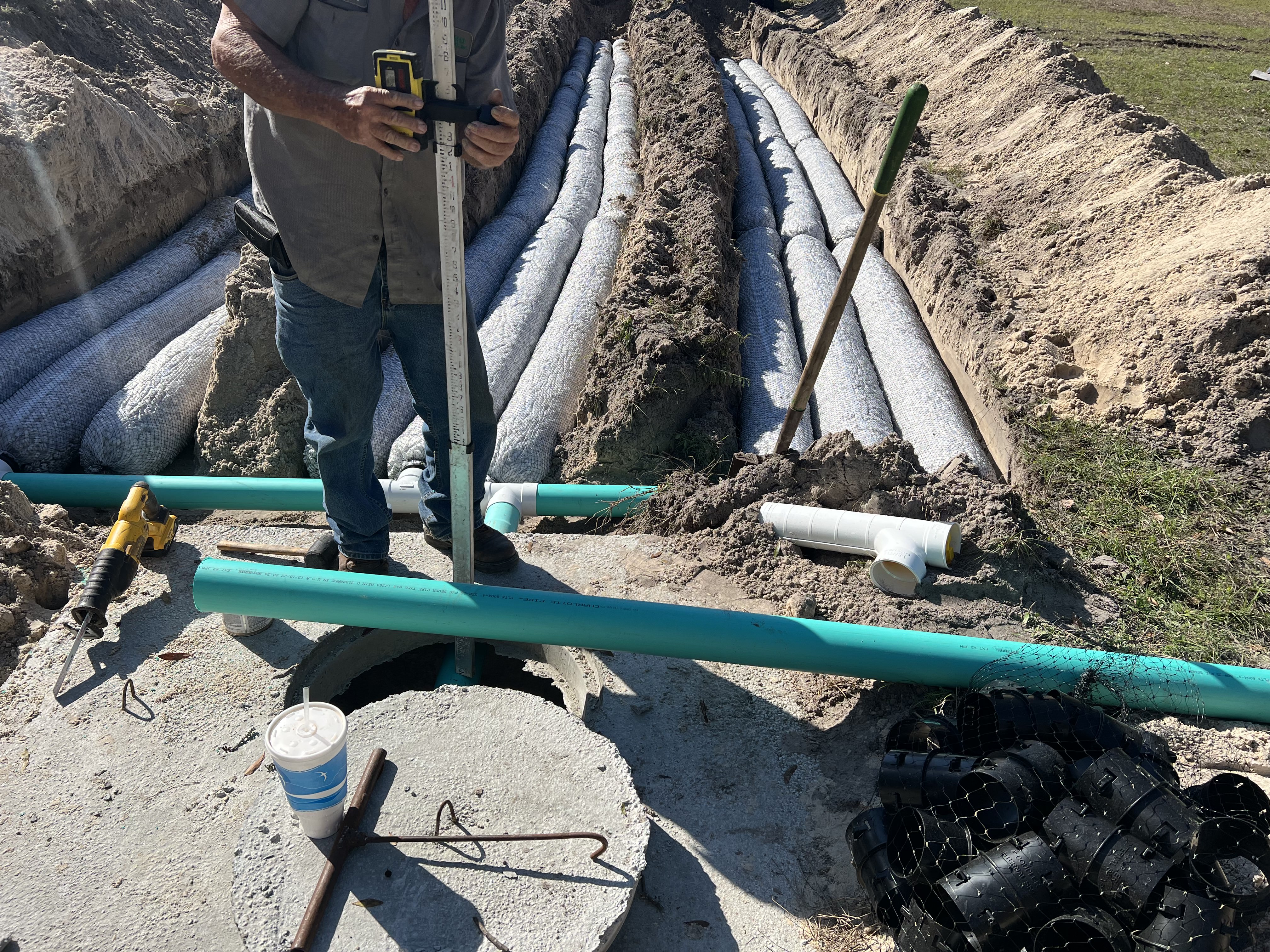
Uneven ground, poor drainage, and unstable soil can create problems before construction even begins. Professional site grading helps establish the elevations and surface conditions needed for a more stable building area.
Our team uses professional equipment to shape the site while considering how foundations, driveways, utilities, septic systems, landscaping, and surrounding areas will work together once construction is complete.
Properly prepared land gives builders a more consistent base for foundations, slabs, garages, barns, and other structures.
Correct elevations help direct runoff away from buildings and toward appropriate drainage areas.
Driveways, utilities, septic systems, and landscaping can be planned around the final grade instead of corrected afterward.
Every property has different elevations, soil conditions, drainage patterns, access limitations, and intended uses, so the grading approach is planned around the individual site.
We review existing slopes, low areas, drainage concerns, soil conditions, septic components, structures, and the goals for the property.
We determine how the land should be shaped so water moves naturally away from vulnerable areas while supporting the planned use of the site.
Professional equipment is used to cut, fill, level, and reshape the property according to the required elevations and drainage plan.
We review the completed grade, drainage direction, transitions, and overall usability of the property before the project is finished.
Drainage and slope problems are often visible long before they cause major damage. Addressing these warning signs early can help protect structures, septic systems, driveways, and landscaping.
Persistent puddles or saturated areas after rainfall may indicate that low spots or improper slopes are preventing normal drainage.
Ruts, exposed aggregate, and washed-out driveway edges often point to runoff that is moving too quickly or in the wrong direction.
Water collecting near the tank or drainfield can oversaturate the soil and interfere with the system's ability to process wastewater.
Exposed roots, gullies, loose soil, and recurring washouts can indicate that surface water is not being properly controlled.
As a septic contractor, Howard Septic Tank Services Inc. understands how closely land grading and septic performance are connected. Drainfields rely on the surrounding soil to absorb and treat wastewater, and excess surface water can interfere with that process.
By shaping the land so rainfall and runoff move away from septic areas, grading can help reduce soil saturation while protecting the tank, distribution lines, drainfield, and surrounding property.
Proper grading helps keep stormwater and runoff from draining toward septic components.
Limiting unnecessary saturation helps the soil continue absorbing and treating septic effluent effectively.
Better drainage can reduce unnecessary stress on an existing septic system and help preserve its useful service life.
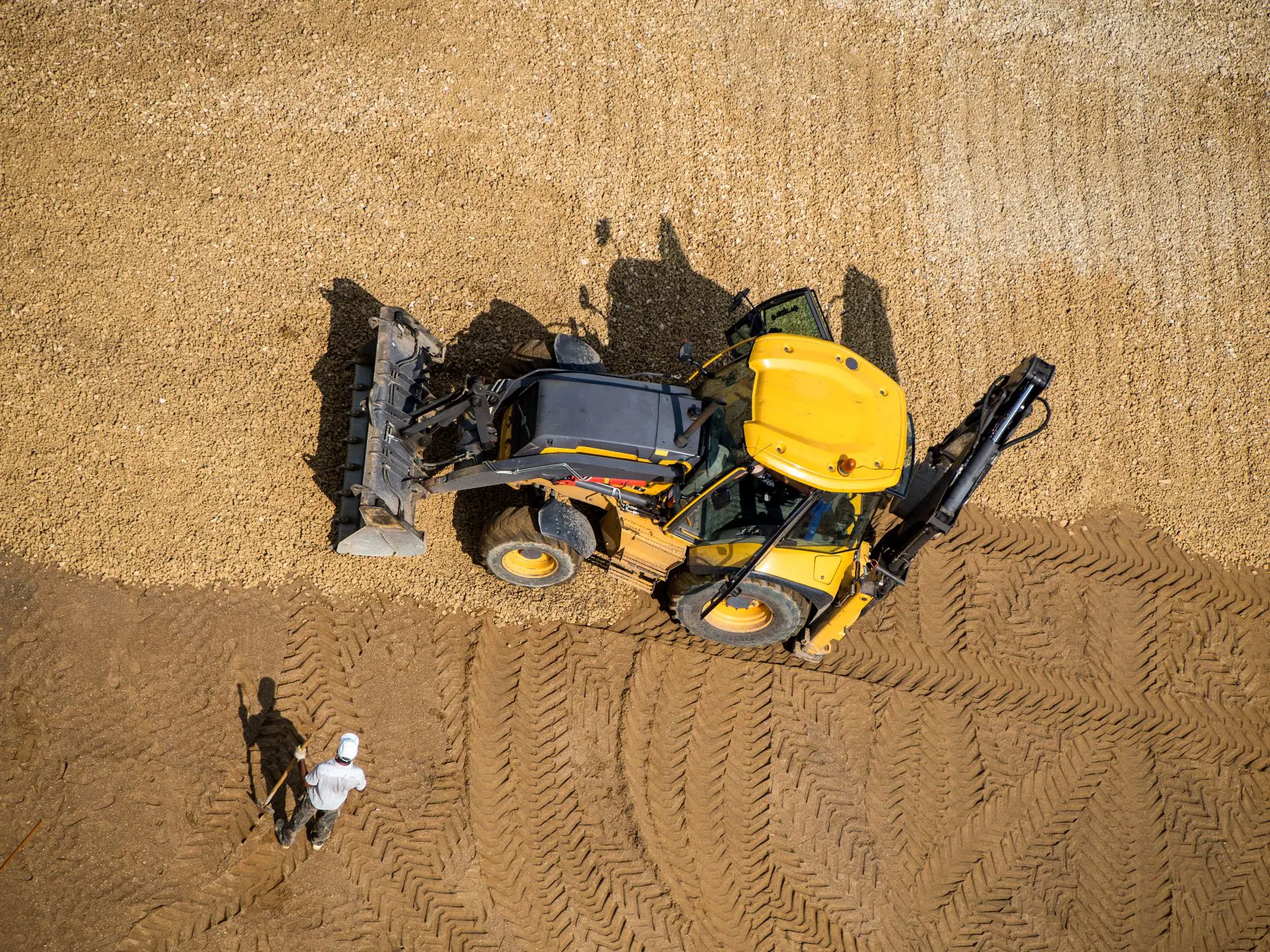
Many construction and property improvement projects require both clearing and grading before the land is ready for its next use.
Trees, brush, roots, and debris may need to be cleared before accurate grading and elevation changes can begin.
After clearing, the exposed land can be reshaped to establish proper slope, drainage, and more usable contours.
Grading prepares the property for construction, driveways, septic work, landscaping, and other planned improvements.
Combining clearing and grading helps streamline site preparation while reducing unnecessary equipment movement across the property.
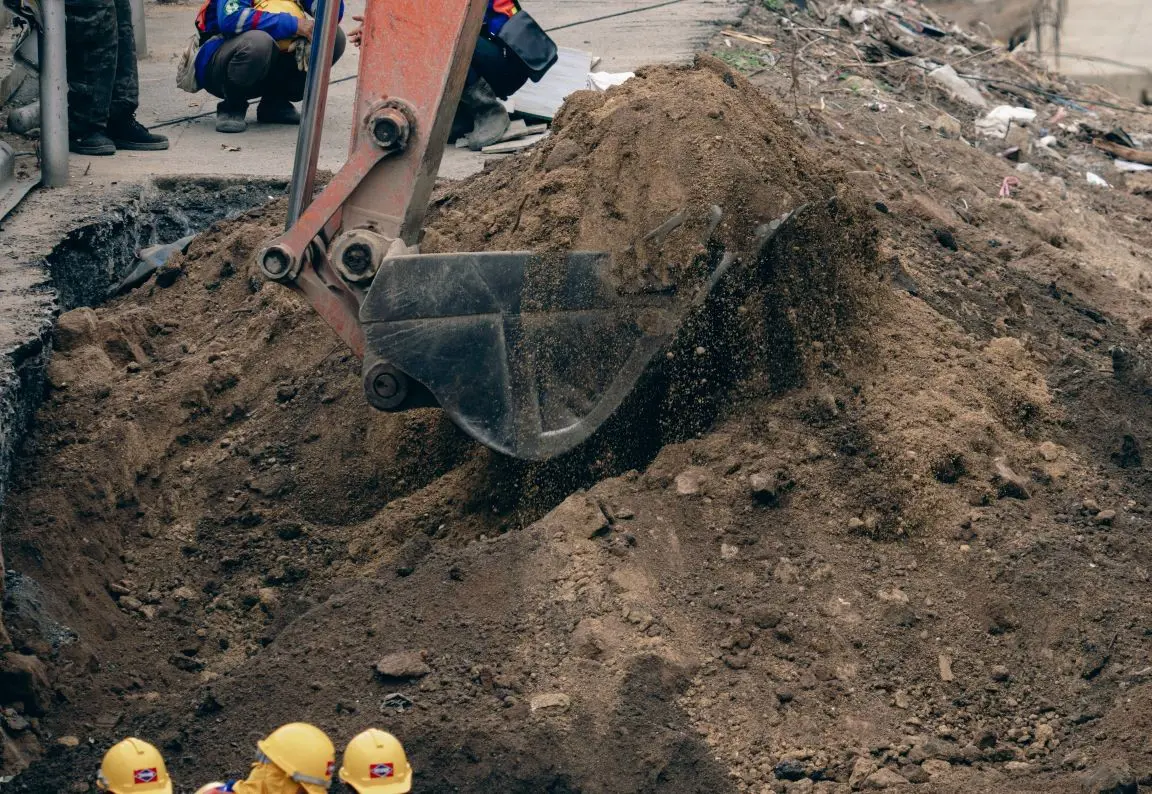
Land grading is based on a simple principle: water follows gravity. The challenge is shaping the property so runoff moves naturally without creating erosion, standing water, or drainage problems in other areas.
A slope that is too steep can accelerate runoff and soil loss. A slope that is too flat can allow water to remain in place. Professional grading considers soil composition, natural contours, elevation changes, and drainage patterns to create a balanced result.
Water is directed toward appropriate drainage areas rather than foundations, septic systems, or other sensitive locations.
Proper slope design helps prevent runoff from cutting channels through soil and washing away valuable topsoil.
Strategic grading can create smoother transitions and more practical spaces for yards, access routes, landscaping, and future construction.
Grading costs vary because no two properties require the same amount of excavation, material movement, equipment time, or site preparation.
Larger areas typically require more equipment time, grading work, and movement of soil or fill material.
Steep slopes, severe low areas, uneven ground, and significant elevation changes can increase the amount of reshaping required.
Dense soil, roots, rocky areas, imported fill, or excess material that must be removed can affect project scope and pricing.
Tight equipment access, existing structures, culverts, swales, septic preparation, and other drainage improvements may require additional planning.
Proper grading continues working long after the equipment leaves the property. By directing water away from vulnerable areas and creating more stable land, grading can help reduce future maintenance, drainage problems, and property damage.
It can also improve how the property looks and functions by smoothing uneven terrain, creating more usable areas, and preparing the site for future construction or landscaping.
Moving water away from structures helps reduce repeated soil saturation and moisture accumulation around foundations.
Better drainage can help reduce washouts, erosion, soft edges, and other water-related driveway damage.
Smoother grades and better drainage can make yards, access areas, and future building sites more practical and dependable.
Learn more about drainage correction, site preparation, septic protection, erosion control, property slopes, and professional grading services.
Land grading is the process of reshaping the ground to establish appropriate elevations and slopes. The goal is typically to improve drainage, create more stable surfaces, prepare land for construction, or improve the usability of a property.
When low areas or improper slopes are causing water to collect, professional grading can reshape the property so runoff moves toward more appropriate drainage areas instead of remaining in place.
Surface water should not be directed toward septic tanks or drainfields. Excess water can saturate the soil and reduce the drainfield's ability to absorb and treat wastewater properly.
Yes. Proper grading helps control the direction and speed of runoff, which can reduce soil loss, washouts, exposed roots, driveway damage, and other erosion-related problems.
In many projects, grading is an important part of site preparation. It helps establish a usable building area and allows drainage, driveways, utilities, septic systems, and other improvements to be planned around the finished elevations.
Yes. Many projects require vegetation, roots, debris, or other obstacles to be removed before the property can be accurately reshaped and prepared for its intended use.
Poor drainage can result from low spots, inadequate slope, compacted or poorly draining soil, changes made during construction, blocked drainage paths, or runoff being directed toward the wrong area.
Regrading may be beneficial when you notice standing water, muddy areas, erosion, driveway washouts, water moving toward buildings, saturated septic areas, or uneven terrain that limits how the property can be used.
Cost can be influenced by the size of the area, existing slopes, soil conditions, equipment access, the amount of material that must be moved, whether fill is required, and any drainage or site preparation work included in the project.
Well-drained, stable, usable land can be more attractive to property owners and future buyers because proper grading helps reduce drainage concerns while supporting future construction and landscaping.
Howard Septic Tank Services Inc. provides professional land grading for drainage correction, septic protection, erosion control, site preparation, construction projects, and property improvements throughout North Central Florida.