Prevent Sludge Buildup
Routine service removes accumulated solids before they interfere with wastewater treatment or escape into the drainfield.
Most property owners do not think about their septic system until something goes wrong. By the time warning signs appear, however, the system may already be experiencing excessive sludge buildup, restricted flow, drainfield stress, or other costly problems.
Howard Septic Tank Services Inc. provides professional septic maintenance designed to improve system performance, identify developing concerns, and help prevent unexpected repairs.
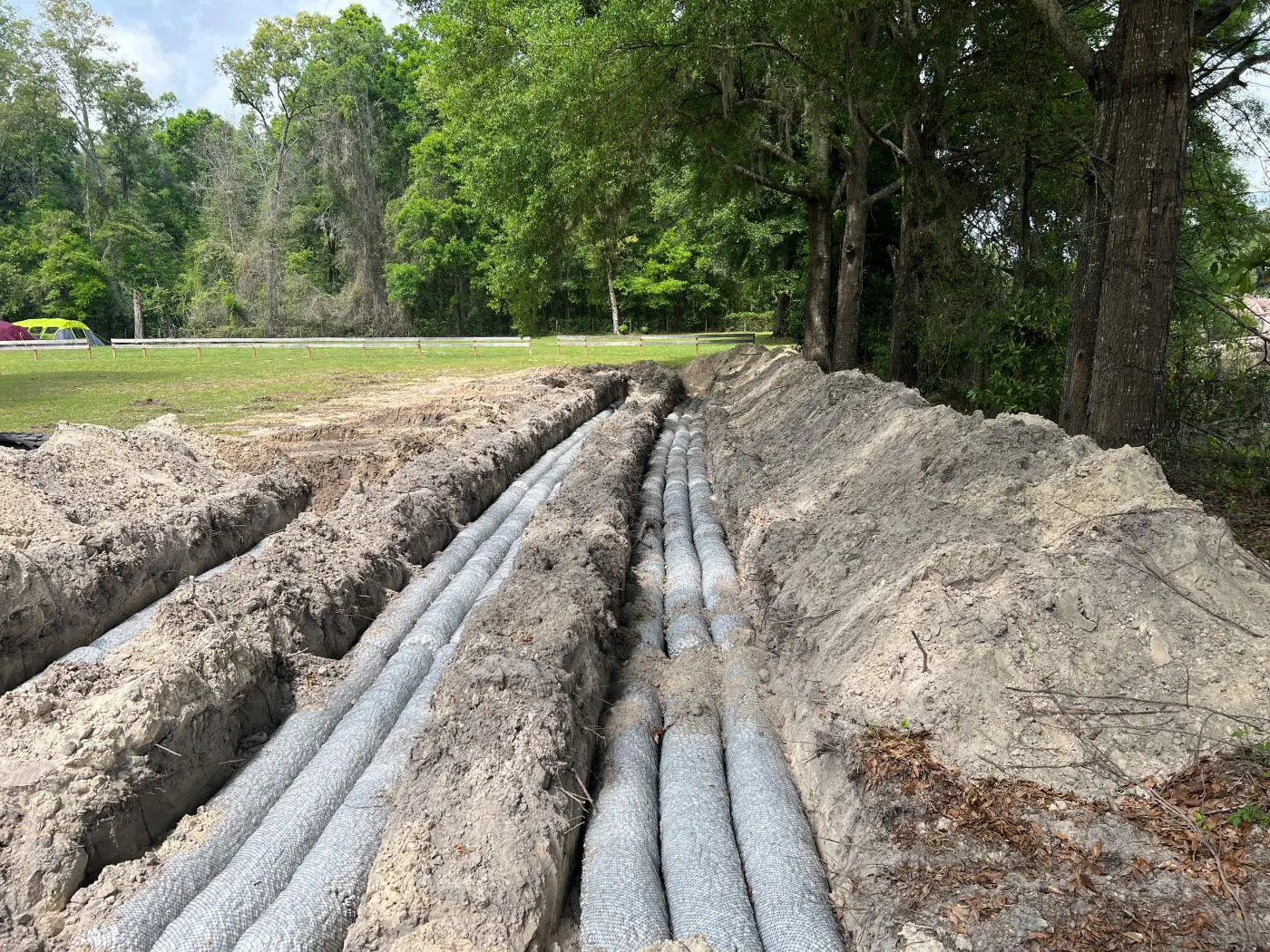
Regular maintenance helps your septic system continue processing household wastewater safely while reducing strain on the tank, pipes, filters, pumps, and drainfield.
Routine service removes accumulated solids before they interfere with wastewater treatment or escape into the drainfield.
Keeping excess solids out of the drainfield helps preserve soil absorption and reduces the risk of premature system failure.
Inspections and maintenance can reveal damaged components, restricted lines, and other concerns before repairs become extensive.
A properly maintained septic system can operate efficiently for many years while providing more dependable wastewater management.
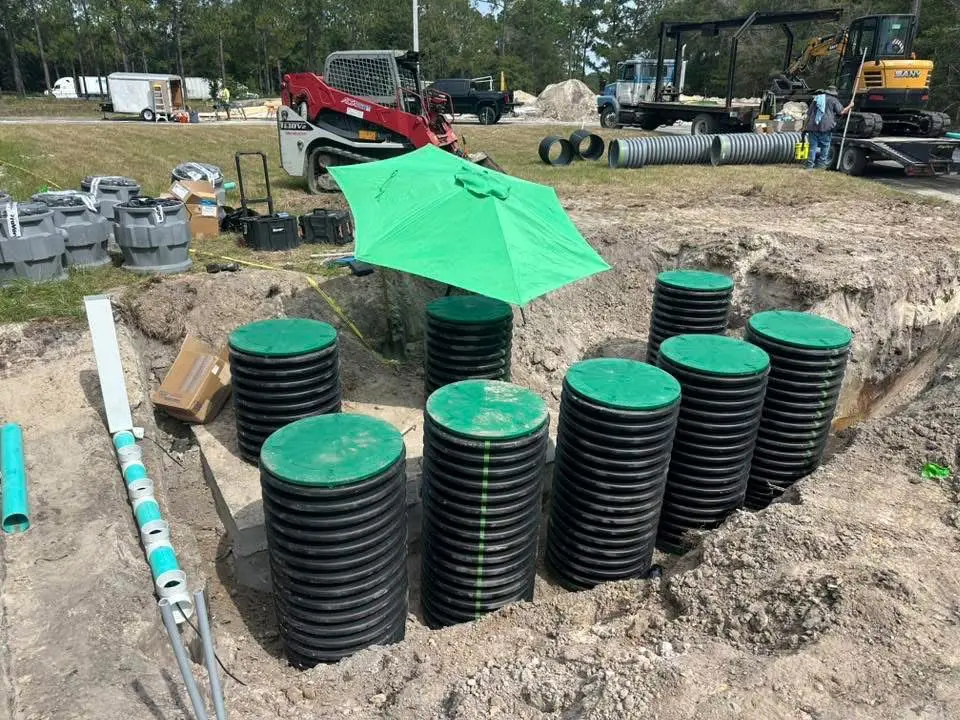
Every time water leaves a toilet, shower, sink, dishwasher, or washing machine, it enters the septic tank. Solids settle to the bottom, grease rises to the top, and partially treated wastewater flows into the drainfield.
Naturally occurring bacteria break down some organic waste, but they cannot eliminate all solids. The remaining material accumulates as sludge and must be removed before it reduces tank capacity or reaches the drainfield.
Proper tank capacity allows solids, grease, and wastewater to separate before liquid moves toward the drainfield.
Routine maintenance helps prevent solids from clogging the soil that filters and absorbs treated wastewater.
A cleaner, properly maintained system can process daily household wastewater with less strain.
Service recommendations depend on the tank size, household use, system condition, accessibility, and any additional components.
We review the system location, accessibility, household usage, and any warning signs reported by the property owner.
The septic tank and accessible components are checked for sludge levels, damage, wear, and other developing concerns.
Accumulated waste is removed as needed, and filters or other maintainable components are addressed according to the system.
We explain the condition of the system and provide practical guidance for future maintenance and responsible water use.
Routine service should be scheduled before problems appear, but certain changes around the home or property may indicate that maintenance is already overdue.
Multiple slow drains may indicate reduced septic capacity, restricted flow, or a developing blockage.
Persistent sewage odors near the tank, drainfield, or plumbing fixtures should be professionally evaluated.
Ponding water or saturated soil around the drainfield may signal poor absorption or wastewater surfacing.
Recurring plumbing backups can indicate that the tank is full, the system is overloaded, or a component is failing.
A septic system is a major property investment. Preventative maintenance helps protect that investment by reducing excessive wear, improving wastewater treatment, and identifying repairs before they become emergencies.
Maintenance also helps protect groundwater, private wells, nearby waterways, and the surrounding environment by reducing the risk of untreated wastewater escaping the system.
Scheduled preventative care is generally more manageable than emergency repairs or complete system replacement.
A documented maintenance history can show future buyers that the septic system has received responsible care.
Regular service reduces uncertainty and helps homeowners feel more confident about daily system performance.
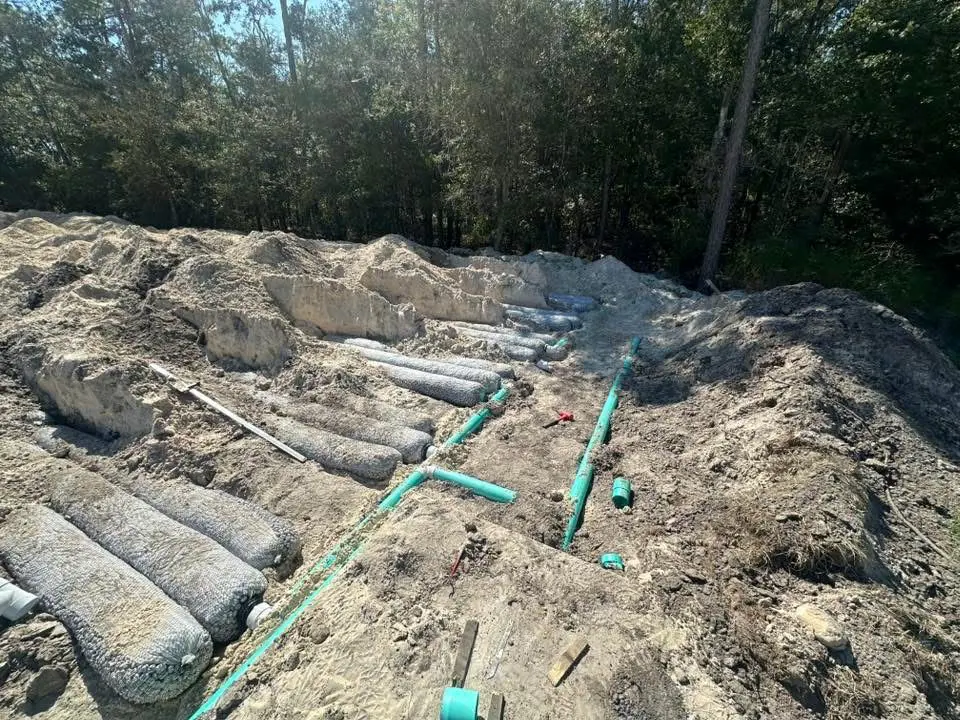
Learn more about pumping, water usage, inspections, drainfield protection, maintenance schedules, and long-term septic care.
No. Additives may affect bacterial activity, but they cannot remove accumulated sludge and solid waste from the septic tank. Professional pumping remains necessary.
The appropriate schedule depends on tank size, household occupancy, water use, system type, and overall condition. A professional evaluation can help establish the right interval.
Yes. Large amounts of water entering the system too quickly can reduce treatment time and place unnecessary strain on the tank and drainfield.
Yes. Saturated soil can reduce the drainfield’s ability to absorb wastewater, increasing the possibility of slow drainage, backups, or standing water.
Maintenance removes excess solids before they can leave the tank and clog the soil within the drainfield.
Yes. Roots may enter pipes, joints, or damaged components, causing restrictions, leaks, or structural damage over time.
Yes. Seasonal properties may have different usage patterns, but the tank and system components should still be inspected and serviced according to their actual condition.
Yes. Many septic concerns develop gradually and may not produce obvious warning signs until significant damage has occurred.
No septic system lasts forever, but consistent maintenance can significantly extend service life and delay major replacement.
Pricing can be influenced by tank size, accessibility, system condition, household usage, service frequency, and components such as filters, pumps, risers, or treatment units.
Howard Septic Tank Services Inc. provides dependable septic maintenance designed to protect system performance, property value, and the surrounding environment throughout North Florida.